
Your Water Has a Kissimmee Problem. We Have the Fix.
Why Is Kissimmee / Osceola Water So Challenging?

Beneath Osceola County lies the Floridan Aquifer — one of the largest freshwater reservoirs in the country. While it’s recharged naturally through hundreds of feet of sand and rock, that same geological process loads groundwater with calcium, magnesium, and other hardness minerals long before it reaches your tap.
Because of the aquifer’s generally high quality, Toho Water Authority (the primary utility serving Kissimmee, Poinciana, St. Cloud, and unincorporated Osceola County) relies on aeration to address hydrogen sulfide (that rotten egg smell) and chlorine for disinfection. But meeting regulatory minimums doesn’t mean your water is problem-free. Hard water, sulfur odors, disinfection byproducts, and PFAS concerns are all real issues facing Osceola County residents and businesses.
4 Water Issues Affecting Orlando Residents & Businesses.
-

Hard Water
Water hardness levels in the Central Florida region are typically above 10 GPG — and in many cases across Osceola, Orange, Brevard, Seminole, and Polk counties, levels climb significantly higher. The National Water Quality Association considers anything over 10 GPG to be very hard. That means scale buildup inside your water heater, pipes, dishwasher, and coffee maker, shortening appliance life and hiking energy costs. That chalky film on your shower doors and glassware? That’s hardness minerals at work.
-

Hydrogen Sulfide / Sulfur Odor
Toho Water Authority aerates its water specifically to remove hydrogen sulfide — the gas responsible for that distinct rotten-egg smell common in Osceola County groundwater. While city water customers may notice reduced odor, well users throughout unincorporated areas frequently deal with sulfur odors that persist all the way to the tap without dedicated point-of-entry treatment.
-

Chlorine & Disinfection Byproducts
High levels of iron and manganese in Orange County's groundwater leave reddish-orange stains on sinks, toilets, tubs, and laundry. Beyond the cosmetic damage, iron bacteria can form biofilms inside plumbing that are corrosive and hard to eliminate without professional treatment.
Well users in the unincorporated county are especially susceptible.
-
PFAS & Emerging Contaminants
Toho Water Authority has an active PFAS monitoring program and began sampling for 29 PFAS compounds under EPA’s UCMR 5 requirements in 2023.
Toho has a dedicated page acknowleding PFAS as a concern for their community, and federal rules now require utilities to reduce levels that exceed new MCLs by 2029.

Engineered Solutions for Every Situation
-
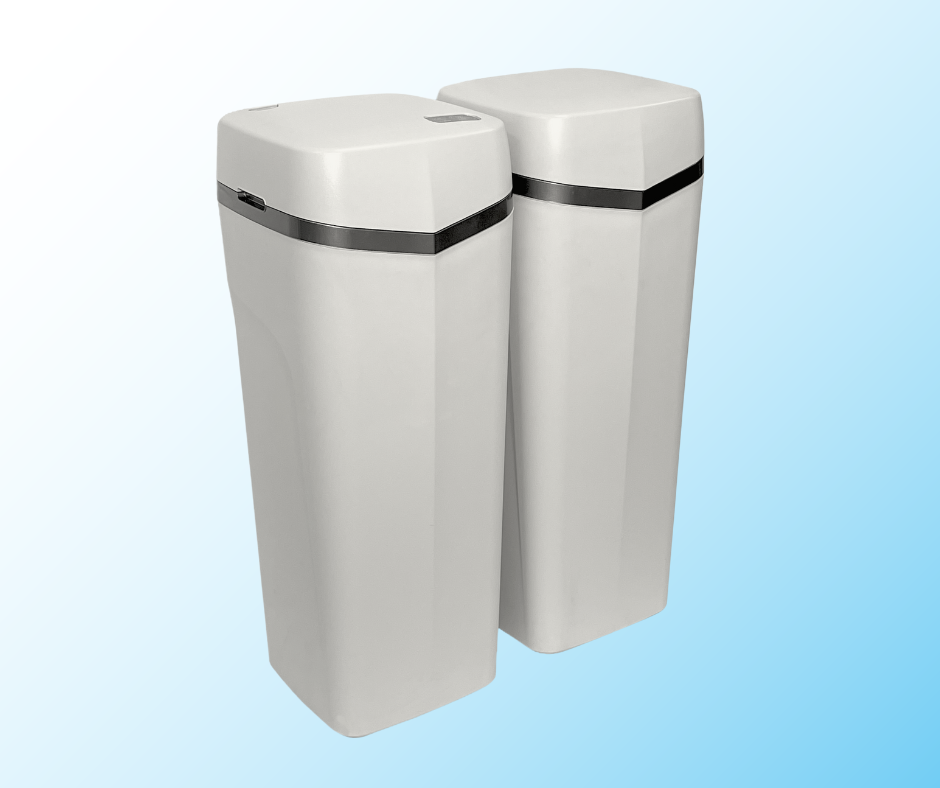
Our Hague WaterMax® whole-home softener eliminates hard water at the point of entry — before it reaches any faucet, appliance, or pipe. Soft water extends the life of your water heater, dishwasher, and washing machine while reducing soap usage by up to 50%.
-
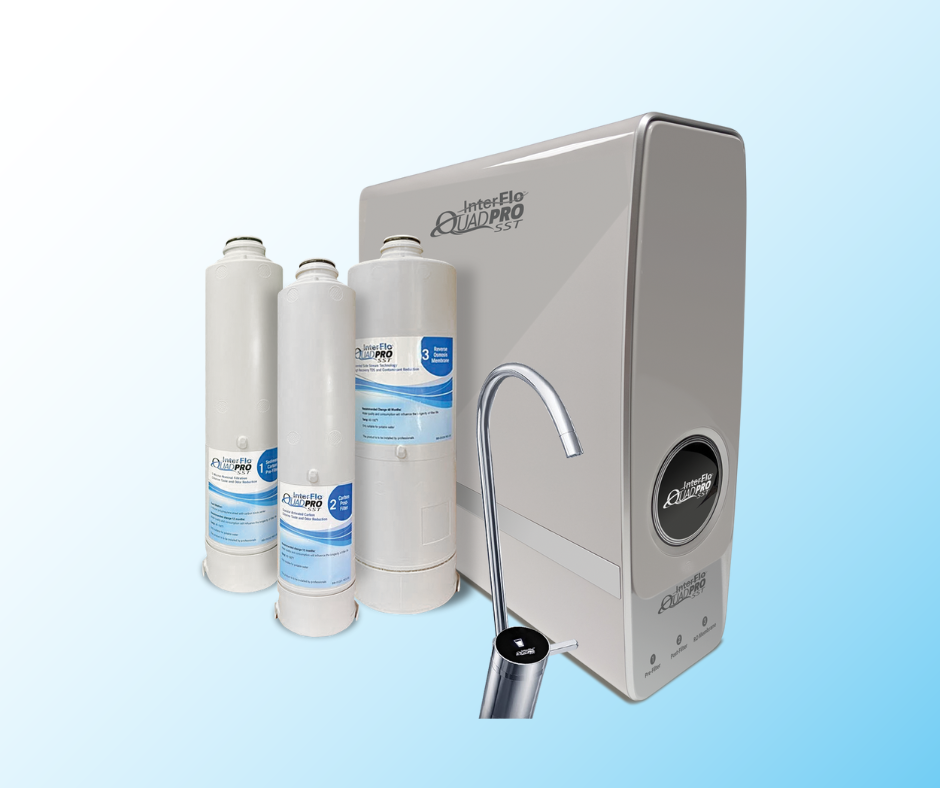
Installed under your kitchen sink, a multi-stage RO system removes arsenic, nitrates, PFAS, heavy metals, chlorine, and radiological contaminants from your drinking water — delivering bottled-quality water directly from your tap. Stop buying plastic water bottles for good.
-
Our peroxide-based oxidation and aeration systems eliminate sulfur odors and iron staining at the point of entry for well water homes.
We size and configure the system to your specific water analysis — because no two wells in Orange County are the same.
-
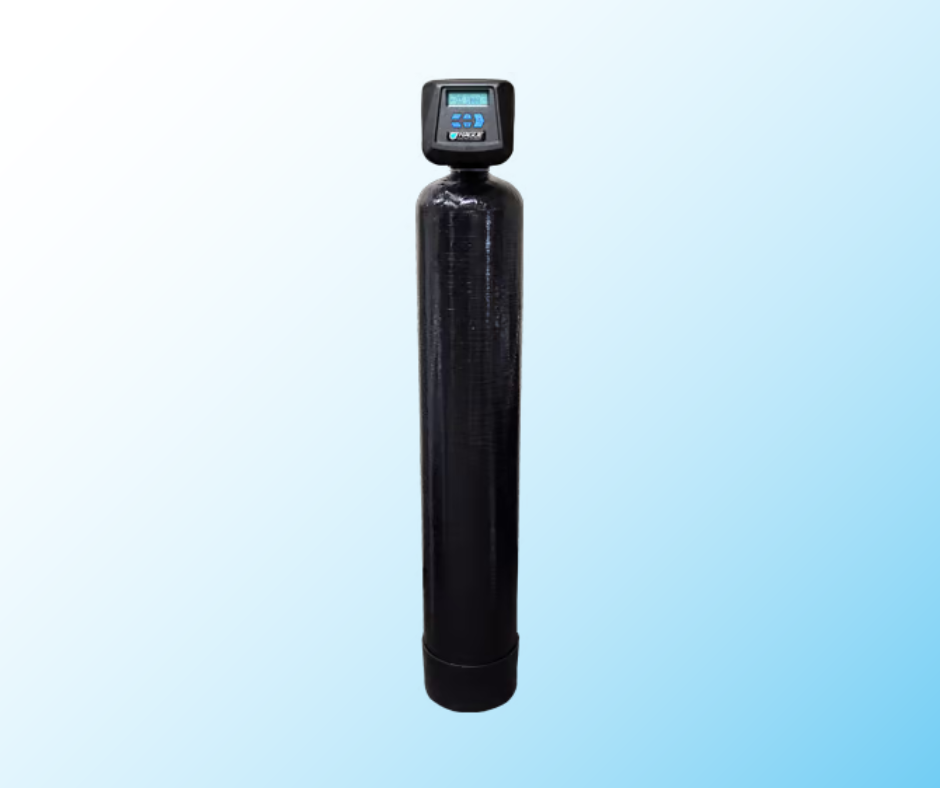
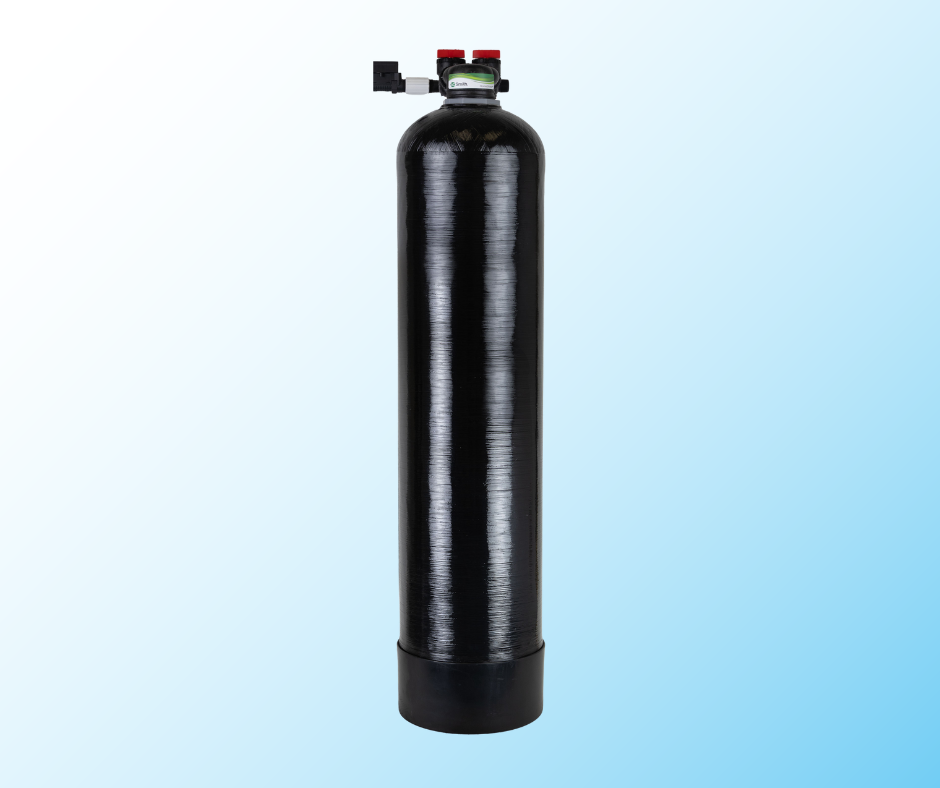
The HomeShield™ Whole House Filter is a high-capacity filtration system built to deliver safer, cleaner water throughout your home. Certified to reduce potentially harmful PFAS chemicals like PFOA and PFOS*, and internally validated to reduce chlorine taste and odor, HomeShield gives your family confidence in every drop.
With a space-saving single-tank design and no wastewater, it's the ideal solution for homes on city or well water looking for serious filtration without the bulk or mess.
-
Call to discuss your water issues anytime!
LET’S GET STARTED